


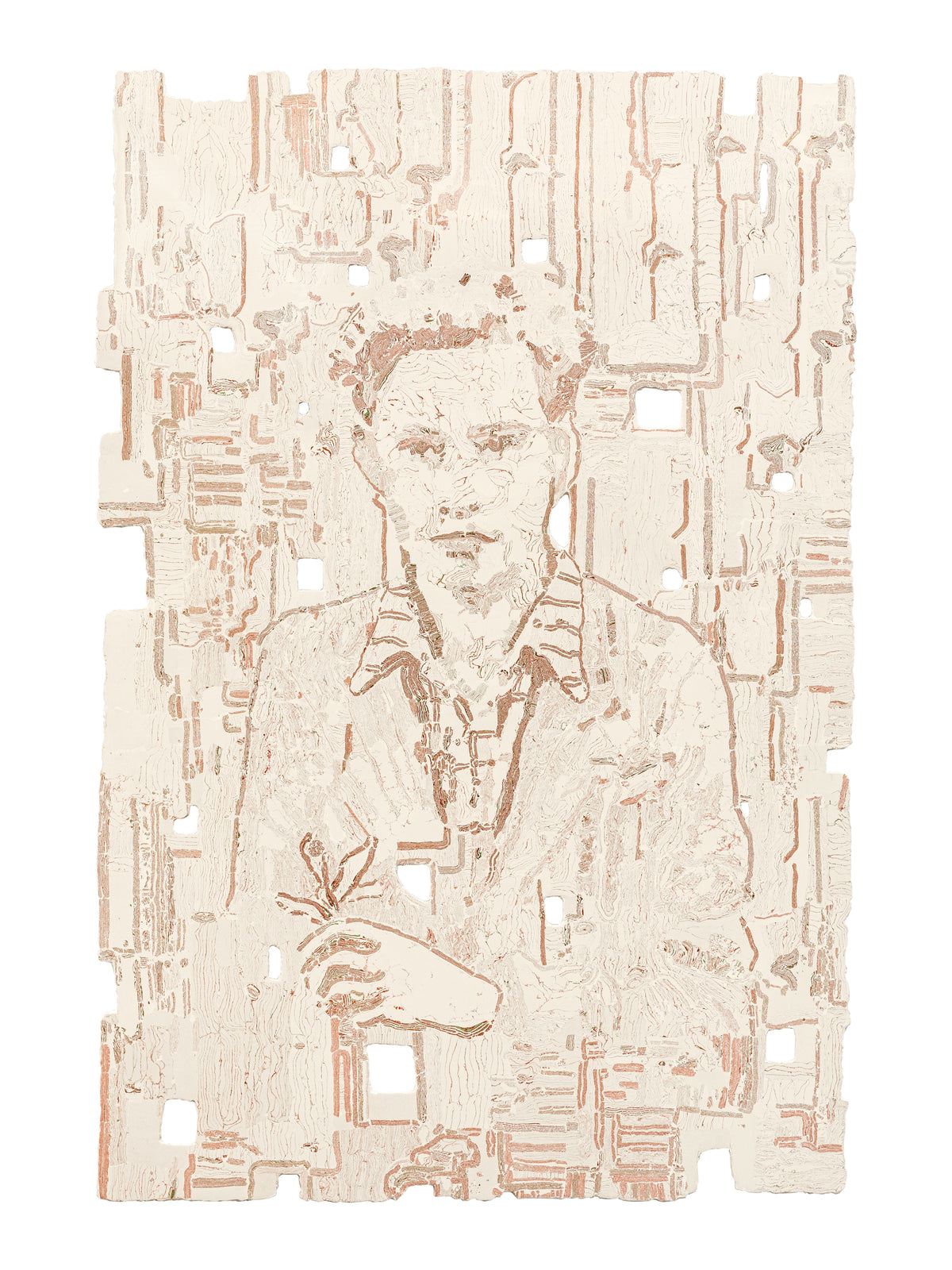
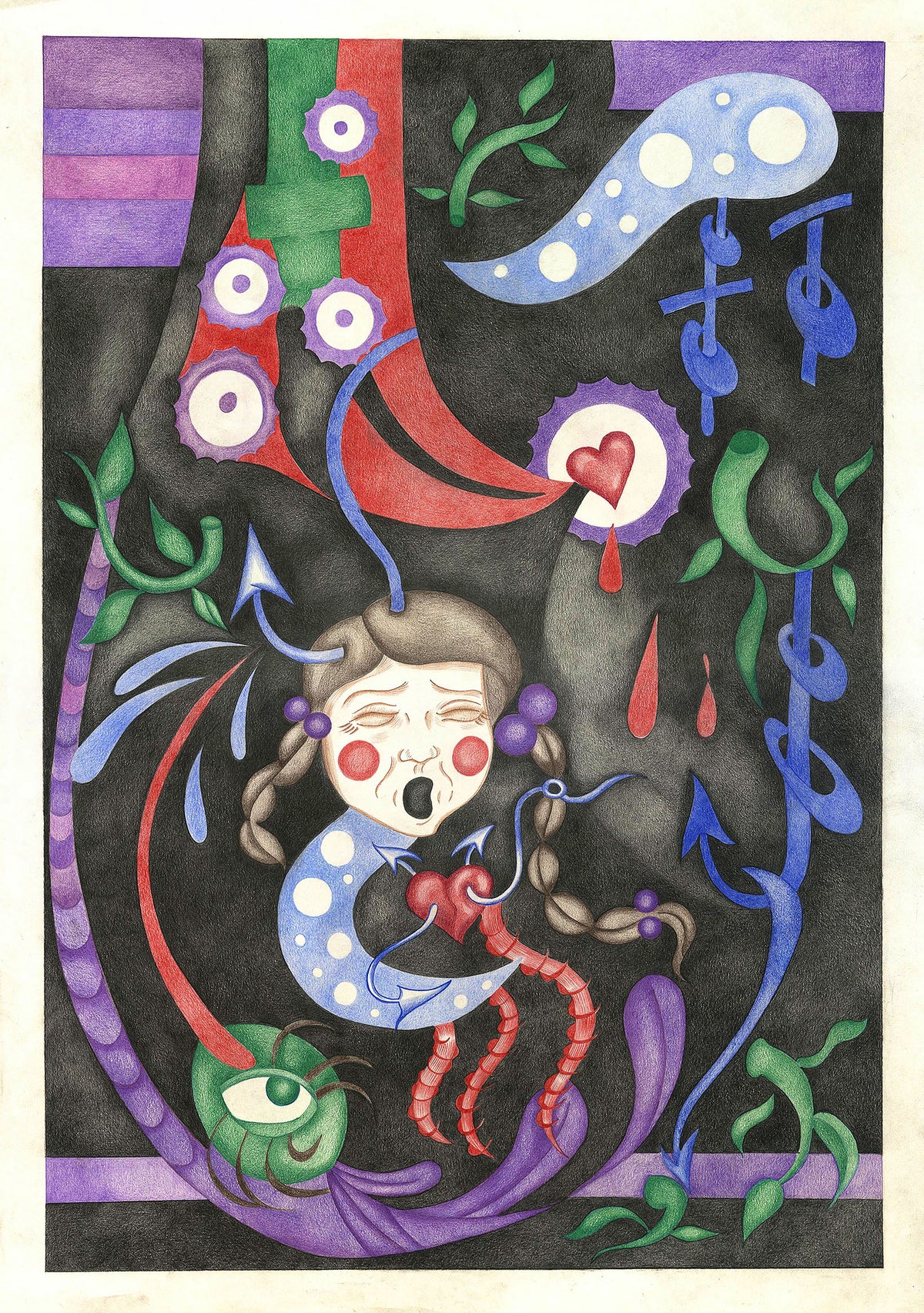
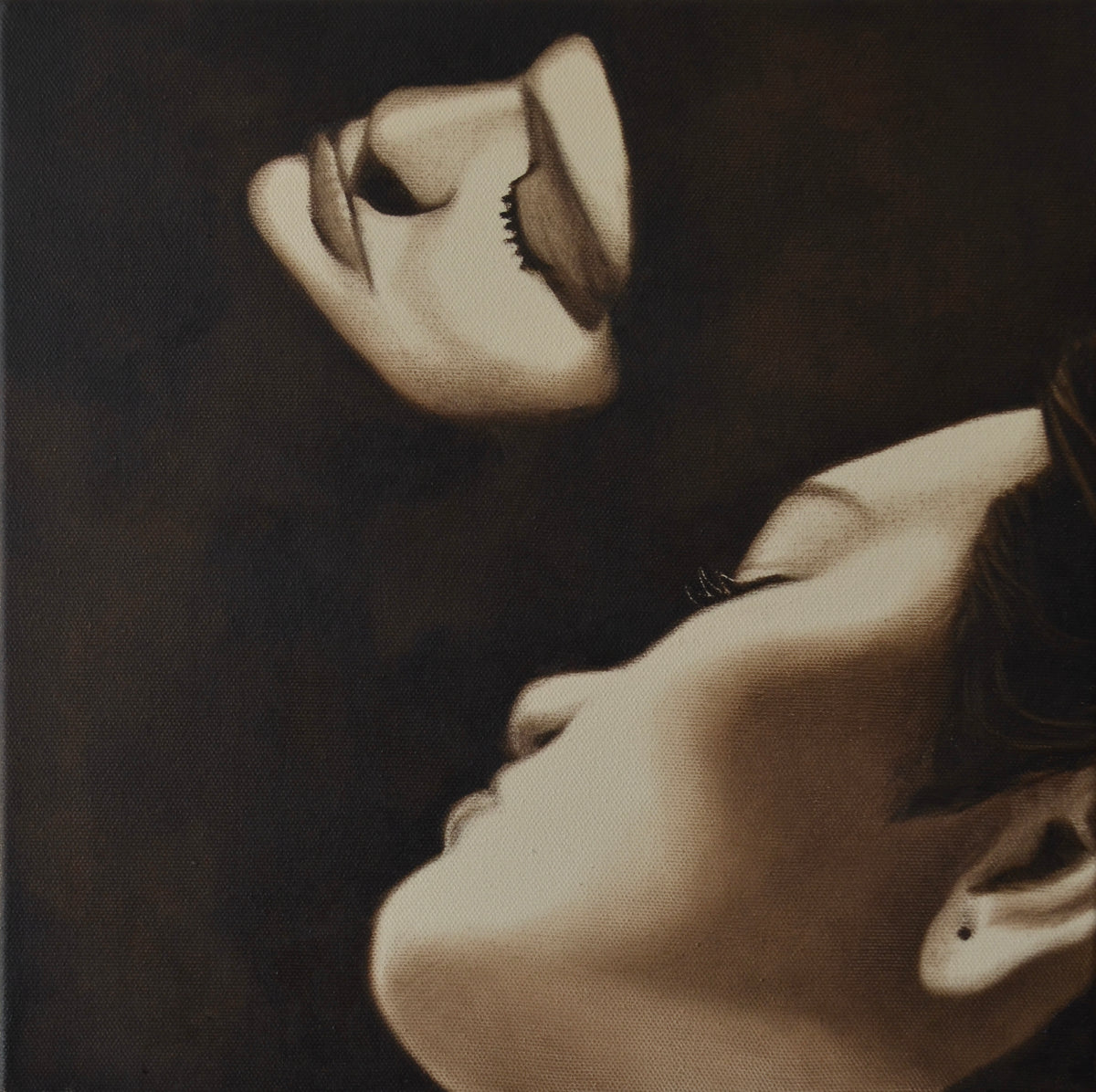
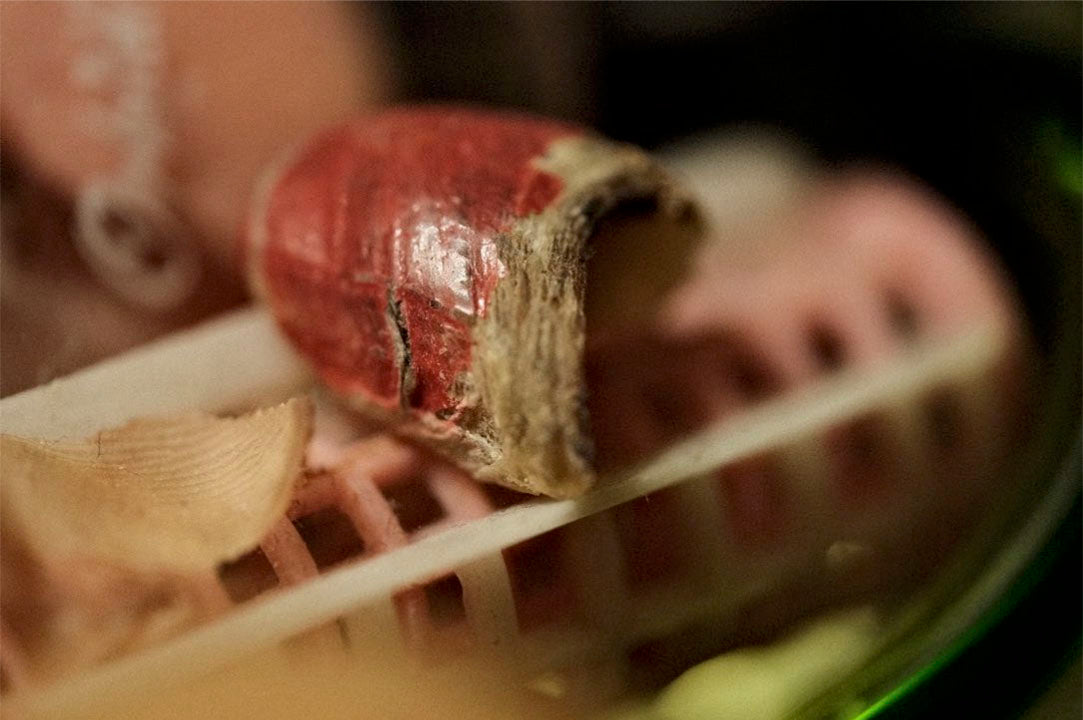
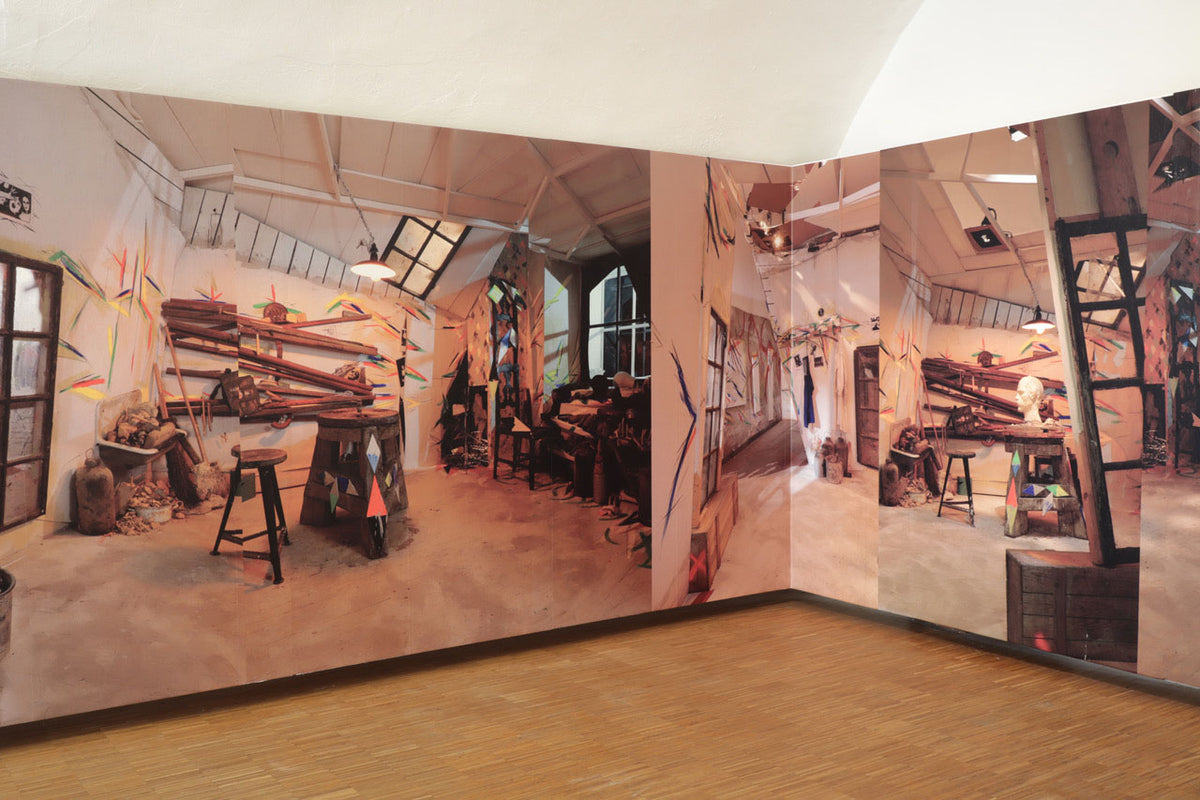
Queer Museum Vienna’s current exhibition looks at what happens to a person’s identity, relationships and chosen family after death. Queer Immortality: Death Must Be a Non-Binary Viennese Person brings that question into painting, video, sculpture and performance, with drag undertakers and a proposed queer tomb among its responses.
The exhibition opened October 2 and continues through January 24, 2027. Its subject is remembrance: who controls it, what gets preserved and which relationships conventional mourning leaves out.
A funeral home with a different cast
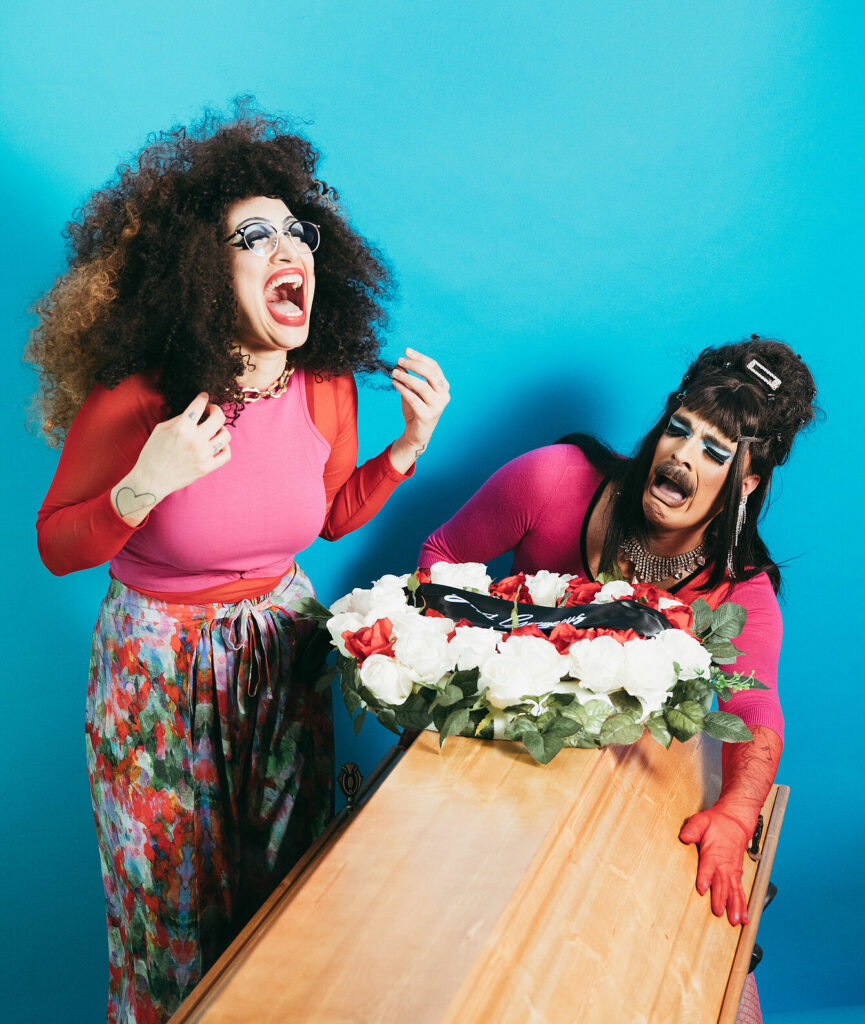
In Just Gorgeous: Beauty for Dead People, developed by Berivan Sayici and Luis Javier Murillo, two drag queens convert their struggling beauty salon into a funeral home. The premise gives makeup, hair and dressing a second setting. Work once intended to prepare someone for a night out becomes preparation for the people who come to say goodbye.
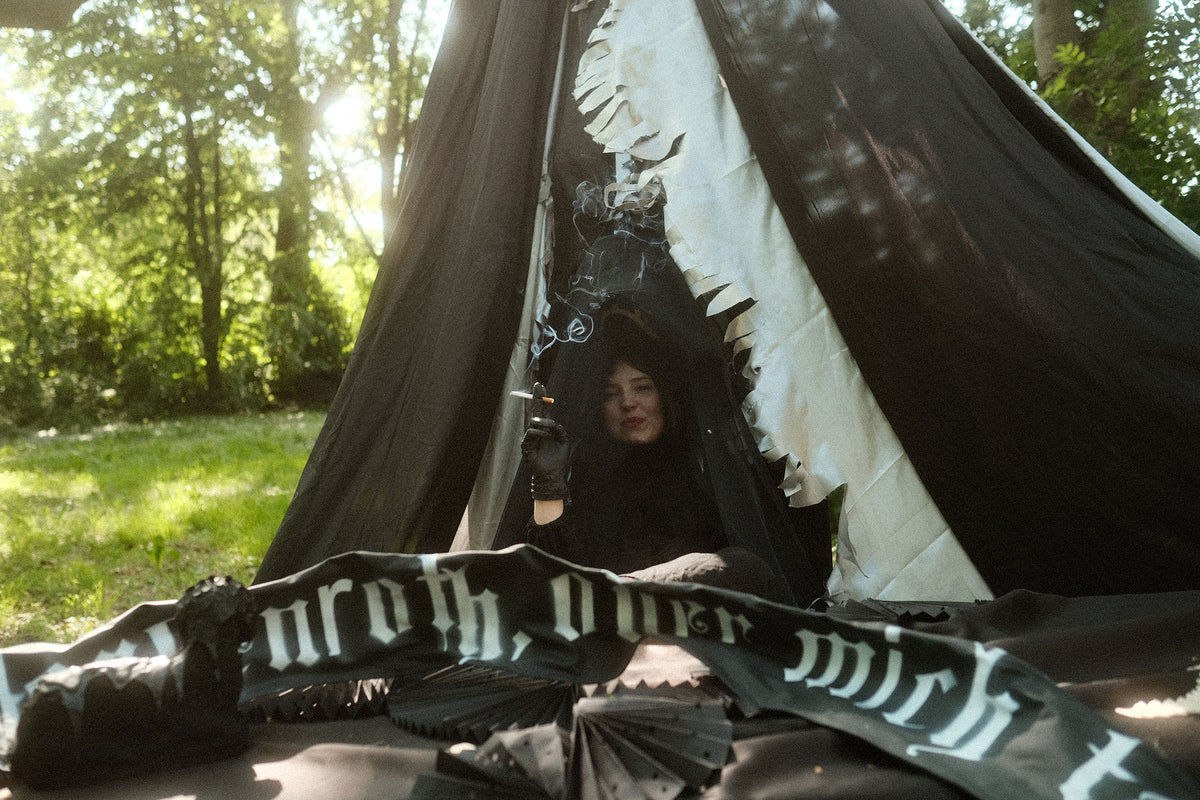
Elsewhere, Peter Kozek, Vanessa Mazanik and Florian Ronc approach mourning through travel and shared rituals. The museum is showing an excerpt from their 2023 video series An meinen Haaren möcht’ ich sterben. According to the exhibition booklet, its scenes move between railway journeys, a funeral procession, woodland and a communal meal. The original project unfolded along a railway route, with viewers traveling between its stations.
Who gets a monument?
Florian Aschka gives the question an architectural form. GLORIA is a magenta 3D-printed model proposing a tomb at Vienna’s Zentralfriedhof for queer people, outsiders and others excluded from conventional monuments. The booklet describes a structure that could make space for collective meals, performance and gathering alongside remembrance.
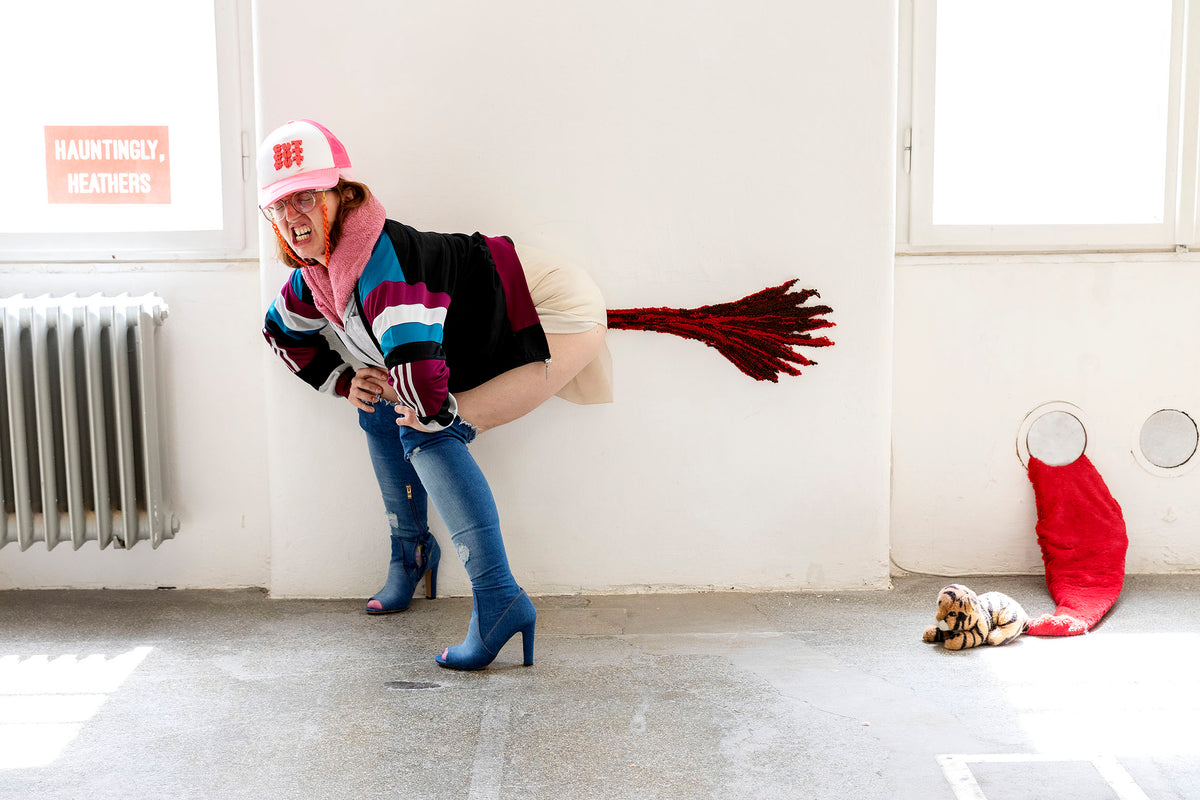
The HEATHERS collective turns to another kind of exclusion: the supporting characters horror films dispose of first. Their contribution includes furry trophies commemorating those characters and tufted objects that bring horror’s bodily mess into the gallery. It puts the people usually pushed to the edge of a story at the center of the memorial.
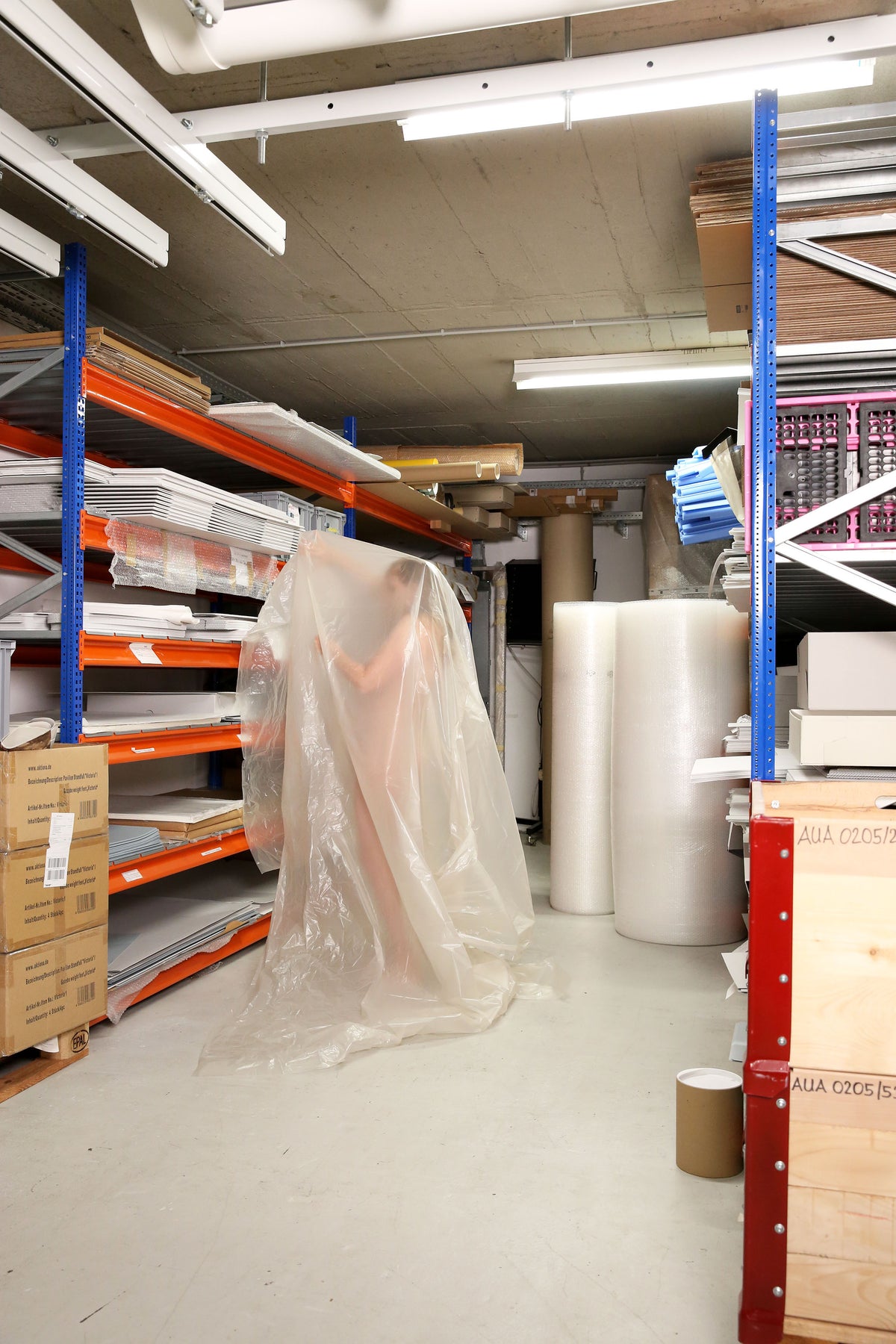
Julia Fuchs’s Queering the Depot takes the discussion into museum storage, asking how institutions decide what deserves to survive. Works by Heti Prack, Siggi Sekira, Danielle Pamp and LA GEORGETTA extend the exhibition’s attention to bodies, portraits and objects left behind.
Visiting the exhibition
Queer Immortality is at Queer Museum Vienna, in Building C at the Otto Wagner Areal, Baumgartner Höhe 1, Vienna. Admission is free, with donations welcome. Regular hours are Thursday through Sunday, 2–6 p.m.
The museum’s visitor information explains entrances, available ramps and transport. It also notes that the museum has no wheelchair-accessible toilet on site and identifies one nearby. Check that page for access arrangements before visiting.



























Leave a comment