


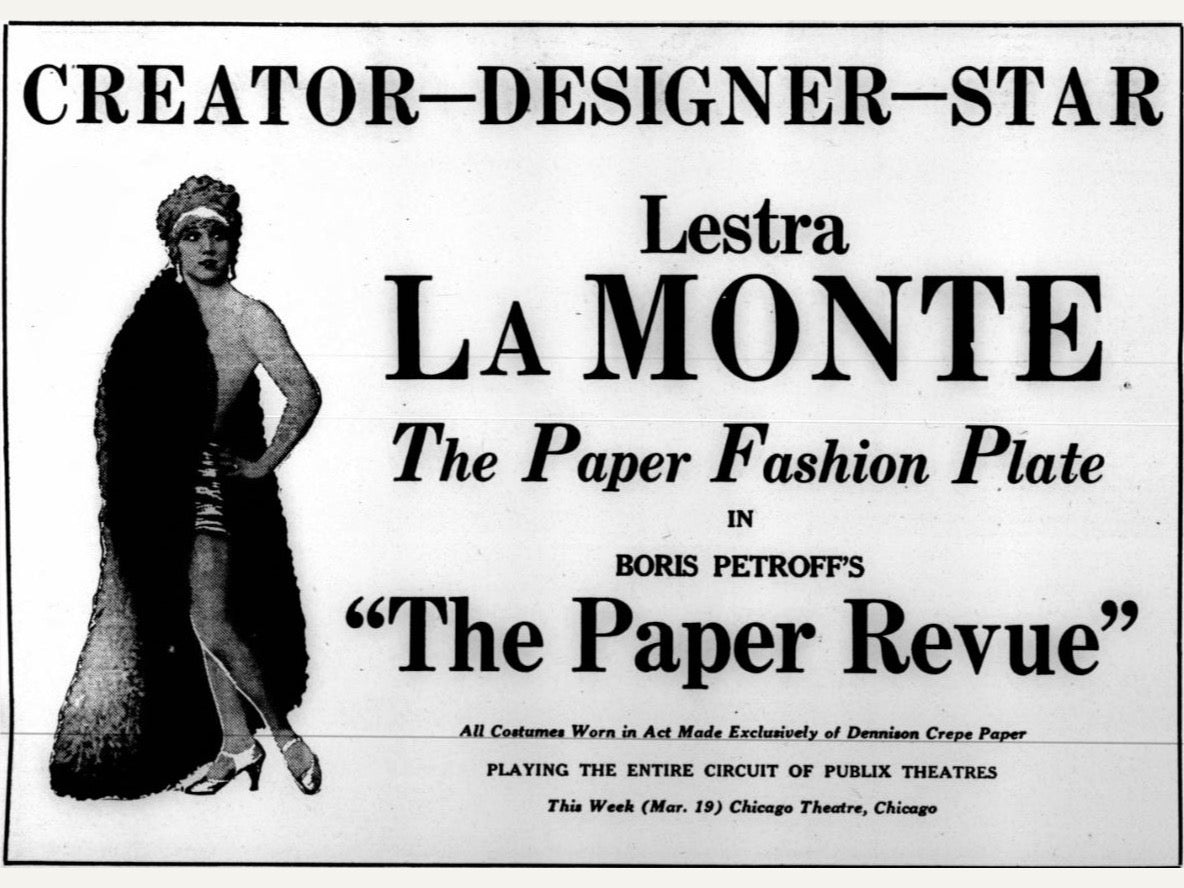
Long before Stonewall, queer performers were drawing packed rooms in New York, Baltimore, Chicago, Los Angeles, and other American cities. For a brief stretch in the late 1920s and early 1930s, clubs promoted gay and gender-nonconforming entertainers as headline attractions. Newspapers called it the “pansy craze.”
The name came from the period’s slang for effeminate men. It does not map neatly onto today’s identities, and much of the surviving coverage uses language that is openly hostile. Still, the craze left a clear record of queer people building nightlife, commanding stages, and attracting audiences decades before the modern gay-rights movement.
The party did not begin in Times Square
Historian George Chauncey describes queer performers working in Harlem, Greenwich Village, and working-class immigrant neighborhoods well before the craze reached Midtown. Prohibition helped make those rooms possible in an unexpected way. Once nearly every nightclub selling liquor was already breaking the law, the usual rules about respectable entertainment became easier to ignore.
Straight, middle-class patrons went “slumming” in neighborhoods they considered exotic. They crossed lines of class and race to visit Black clubs in Harlem and immigrant-run speakeasies downtown. Queer acts were part of that nightlife economy. By the early 1930s, openly gay emcees were working some of Times Square’s most successful clubs, trading camp remarks with the audience instead of disguising the premise of the act.

That move matters. The pansy craze was not the sudden invention of queer nightlife by Broadway producers. It was a commercial rush toward a culture that already existed outside respectable white society.

Drag balls could fill major halls
Nightclubs were only part of the scene. Drag balls in Harlem and other cities brought together performers, contestants, escorts, and large crowds of spectators. Chauncey notes that the biggest New York balls drew hundreds of participants and thousands of onlookers. Some were held in major venues, including Madison Square Garden.
These events were public enough to receive detailed newspaper coverage. The Black press reported winning costumes and printed photographs of participants. The archive is valuable, but it needs careful reading. Johns Hopkins University’s Peabody Ballroom Experience warns that many reporters treated gender-diverse performers as a spectacle, misgendered them, or wrote from a position of judgment.
The attention could create room for queer expression while still reducing the people onstage to entertainment for outsiders. Both things were happening at once.
Black performers shaped the scene
Accounts that center only white clubs in Greenwich Village miss much of the story. Harlem’s cabarets, rent parties, theaters, and drag balls were central to the period’s queer performance culture.

James F. Wilson’s open-access history Bulldaggers, Pansies, and Chocolate Babies follows performers who challenged expectations around race, class, gender, and sexuality across Harlem nightlife and Broadway. Blues singers, cross-dressing performers, and sexually frank stage characters were not side notes to the Harlem Renaissance. They were part of the era’s popular culture, even when Black civic and religious leaders worried that white audiences were consuming the neighborhood as scandal.
That tension still feels familiar. A scene can be celebrated, copied, and sold while the people who created it remain exposed to policing and disrespect.
Visibility did not mean safety
The pansy craze is sometimes described as a lost golden age. The rooms may have been visible, but they were never secure. Police raids, censorship, economic pressure, and tabloid moral campaigns ran alongside the packed shows.
The end of Prohibition in 1933 did not simply make nightlife safer. New liquor-control systems gave authorities another way to regulate bars and restaurants. Historian Anna Lvovsky’s work shows how officials later used stereotypes sharpened during the pansy craze to identify queer patrons and punish establishments accused of serving them.
The Depression also closed venues, while entertainment became more tightly censored through the 1930s. Performers and patrons did not disappear. Much of the culture moved away from the mainstream attention that had briefly made it profitable.
Queer nightlife did not start at Stonewall
Stonewall remains essential history, but it is not the beginning of queer public life. The pansy craze shows gay men, lesbians, drag performers, and gender-nonconforming people creating social worlds in plain sight at least four decades earlier.
It also complicates the familiar story of progress. Visibility brought jobs, audiences, and community. It also produced stereotypes that police and regulators could use. The same culture could be both a refuge and a commodity.
That history makes today’s queer bars and gayborhoods look less like modern inventions and more like the latest version of a much older practice: finding a room, making a scene, and leaving enough evidence for someone else to know it happened. Many of those traces now live in queer archives you can explore online.







Leave a comment