New customers save 10% with code GET10

Free shipping on orders $50+


Start with the favorites:


Language

New customers: use GET10 for 10% off your first order. One use per customer.

Cart 0

Congratulations! Your order qualifies for free shipping You are $50 away from free shipping.
Sorry, looks like we don't have enough of this product.

Pair with
Is this a gift?
Subtotal Free
View cart
Shipping, taxes, and discount codes are calculated at checkout

The Gay Hanky Code: A Brief History of Flagging

Tactile illustration of colored bandanas tucked into denim back pockets on wooden chairs.

A bandana in a back pocket could say a surprising amount, as long as the other person knew how to read it.

A pocket-sized language

Before a profile could list every interest in neat little fields, queer people found other ways to recognize one another. One of the most colorful was the hanky code, also called flagging: a bandana worn in a back pocket as a signal of sexual interests and preferred roles.

The basic grammar was simple. Color suggested an interest. Pocket placement added another layer. In the best-known version, the left pocket meant a more active role and the right meant a more receptive one. The details quickly became complicated, however, and they were never as universal as a stop sign. A color could carry different meanings in different cities, scenes, or printed lists.

That uncertainty is part of the history. The hanky code worked because enough people in a particular room understood it, not because a central committee had approved the dictionary.

The origin story stays fuzzy

You will find confident stories about who invented the code and where it began. The archives are less tidy. The History Project in Boston describes its origins as a mix of myth and urban legend, with several competing accounts.

What is clearer is the timing. Flagging spread among queer men in the 1970s and became especially visible in leather and BDSM circles. It offered a fast way to communicate in bars and cruising spaces, including places where speaking openly about queer sex could invite judgment, harassment, or worse.

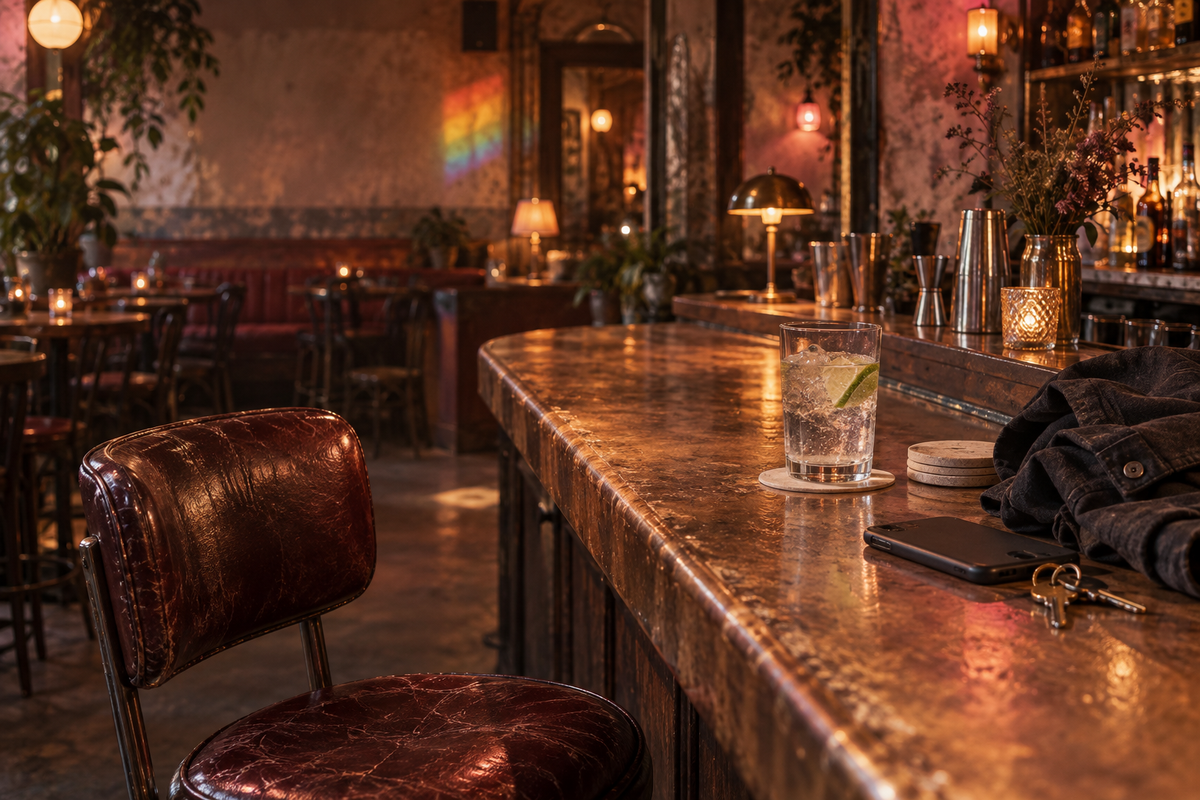
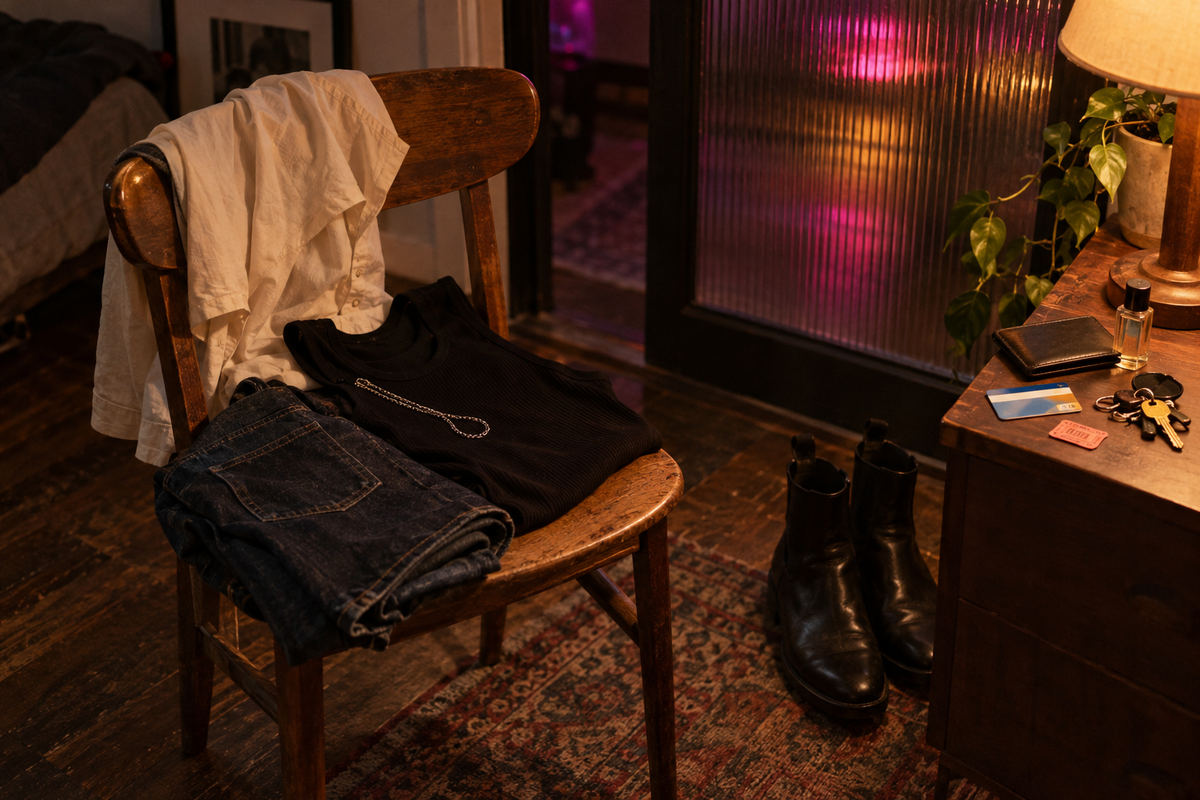
The code also fit the visual language of the leather scene. Denim, boots, keys, caps, and bandanas could all carry social meaning while still looking like ordinary clothes to someone outside the culture.

Businesses helped spread the code

The code traveled because people printed it. Bars, leather shops, mail-order catalogs, and adult businesses handed out decoder lists. The Smithsonian's Archives Center even catalogs a Pleasure Chest promotional handout titled “World's Most Comprehensive Hanky Code”.

“Comprehensive” is doing a lot of work there. Lists grew longer as businesses and communities added increasingly specific colors, fabrics, and patterns. They did not always agree with one another. A chart from one place and year might not match the one pinned behind a bar somewhere else.

That is why a modern roundup of supposed hanky meanings can be misleading. There was a shared framework, but there was never one permanent global code. It was a living bit of slang, and slang changes whenever people use it.

The code became an image

Flagging did more than help two people start a conversation. It became a compact visual symbol of gay life.

Artist Hal Fischer documented that language in his 1977 photo-text series Gay Semiotics. Works such as Leather Apparel, now in MoMA's collection, treated clothing, posture, and accessories as a system of signs. The tone was observant and sly. It showed how much information could be hiding in plain sight, visible to insiders and easy for everyone else to miss.

Fischer's work also fixed the code in cultural memory. Even people who have never flagged may recognize the idea from photography, magazines, fashion, or film. A practical signal became an image that artists could quote, question, and remake.

More than gay men used it

The hanky code is usually told as a story about gay men, particularly men in leather and kink communities. That is the center of its best-documented history, but it is not the whole picture.

A Queensland Museum guide to queer dress and self-expression notes that some lesbian scenes also adopted flagging. As with the men's versions, local communities could adapt the language rather than follow a single official chart.

That broader use makes sense. Queer style has often done double duty. Clothes can be personal taste, a way to find your people, and a message meant for a very specific audience. Sometimes one bandana managed all three.

What flagging means now

The code is less common as an everyday cruising tool than it was before dating apps. It still appears in leather and kink spaces, and it remains a reference point in queer art, fashion, and education.

Today, a bandana might be a deliberate flag, a nod to gay history, or simply something that looked good that morning. Context matters. If you notice one at a bar or event, do not assume you have decoded the wearer like a crossword clue. Talk to the person.

That approach also keeps the history alive in a useful way. The interesting part of the hanky code is not memorizing dozens of colors. It is seeing how queer people built a language with what they had, then passed it hand to hand.

A signal is not consent

Flagging can express interest. It does not replace consent. A hanky, a dating profile, or an outfit can start a conversation, but agreement still needs to be direct, current, and specific. People can change their minds at any point.

The same rule applies if you are heading into a leather space for the first time. Wear what makes you feel good, read the room, and ask when you are unsure. Our guide to what to wear to your first leather night has more practical advice on dress codes and etiquette.

The hanky code survives because it tells a bigger story: queer people have always found inventive ways to locate one another. Sometimes the whole message fit in a back pocket.

Have you ever seen a piece of queer code in the wild before you knew what it meant?

Product mockup
Product mockup
Product mockup
Product mockup
Product mockup
Product mockup
Product mockup
Product mockup
Product mockup
Product mockup
Product mockup
Product mockup
Product mockup
Product mockup
Product mockup
Product mockup
Product mockup
Product mockup
Product mockup
Product mockup
Product mockup
Product mockup
Product mockup
Product mockup
Product mockup
Product mockup
Product mockup
Product mockup
Product mockup
Product mockup
Product mockup
Product mockup
Product mockup
Product mockup

Leave a comment

Please note, comments must be approved before they are published


Affiliates 300x600

Culture

Grindr, SCRUFF, or GROWLR? Pick the App That Fits
Grindr offers broad local reach, SCRUFF adds travel and event tools, and GROWLR puts bears first. Here is how to choose.

Culture

The Pansy Craze Put Queer Nightlife on Center Stage

In the late 1920s and early 1930s, queer performers moved from Harlem and Greenwich Village clubs onto major stages. The attention brought packed rooms, commercial...

Culture

What Does Daddy Mean in Gay Culture?

Daddy in gay culture can describe age, confidence, care, authority, or attraction. The meaning depends on who uses it, and no one inherits the label...

Culture

What Is a Gayborhood? Why Queer Neighborhoods Still Matter

A gayborhood is more than a row of bars. Here is how queer neighborhoods form, what they make possible, and whose stories their familiar history...

Explore

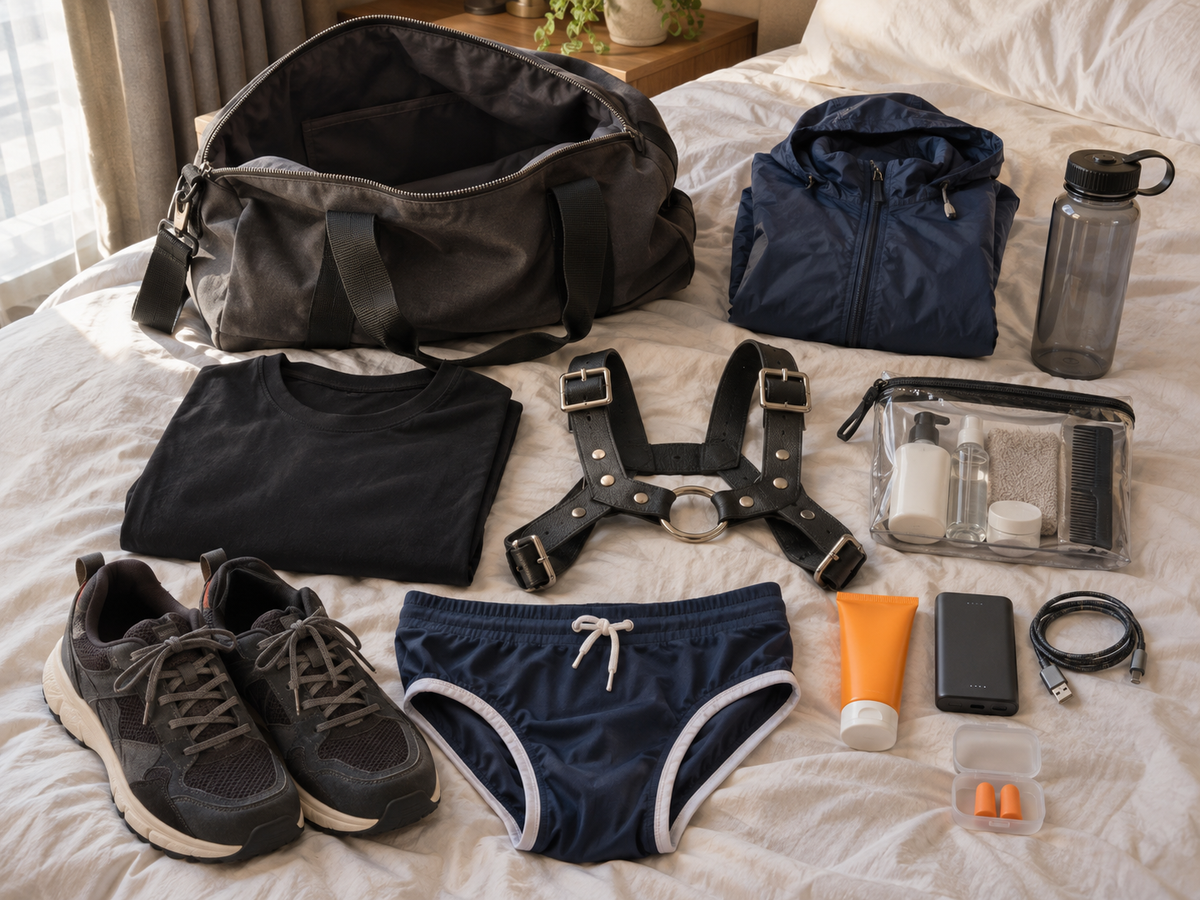
What to Pack for Your First Bear Weekend

A bear weekend bag should follow the program: comfortable basics, the right shoes, one weather layer, a small secure day kit, and optional gear for...

Style

Martine Rose Is Taking Over Balenciaga

Martine Rose will take over Balenciaga on November 16. The appointment brings her subcultural approach to menswear, proportion, and masculinity into one of fashion's biggest...

Style

How to Clean a Leather Harness Without Drying It Out

The practical routine for removing sweat, deep-cleaning smooth leather, conditioning lightly, and storing a harness without damage.

Style

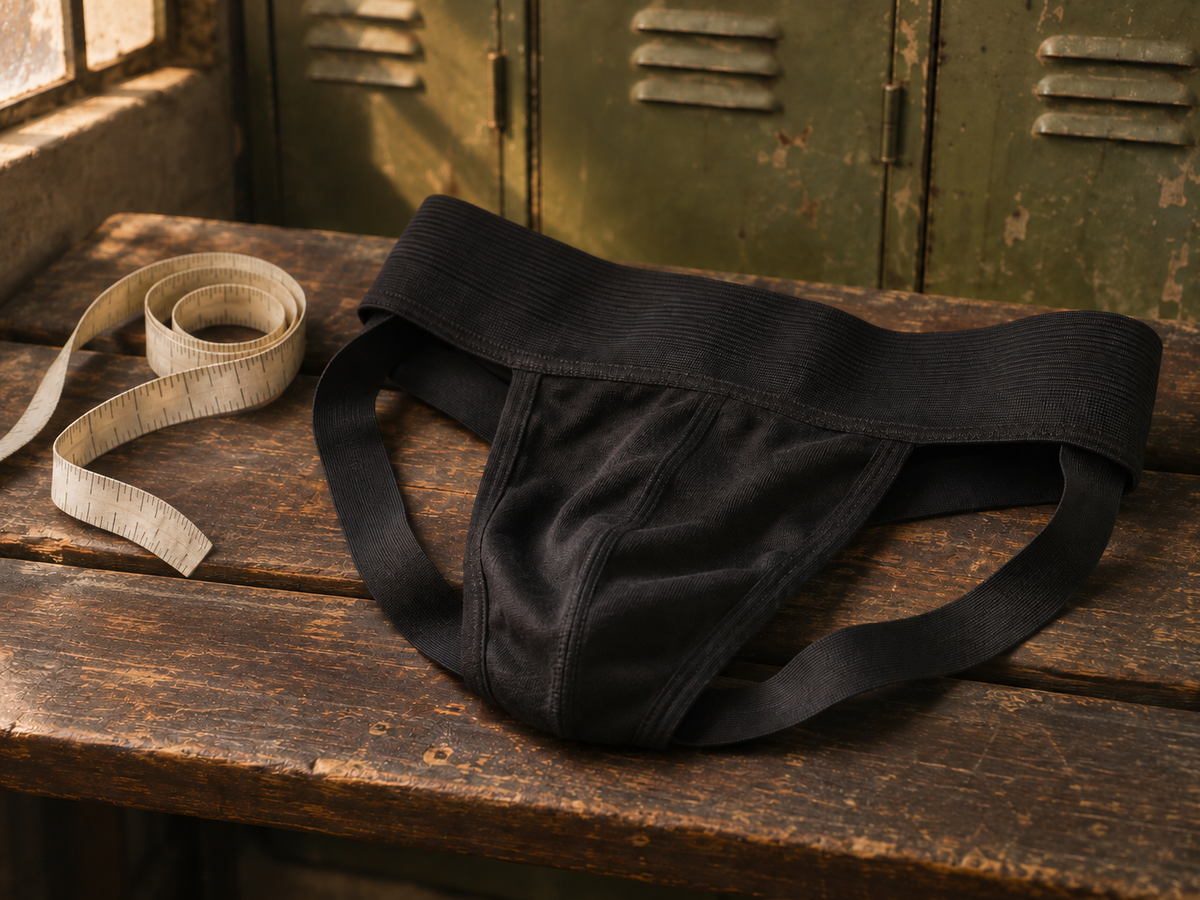
Your Jockstrap Should Feel Snug, Not Punishing

A practical fit check for jockstrap waistbands, pouches, leg straps, materials, sizing, and care.

Explore

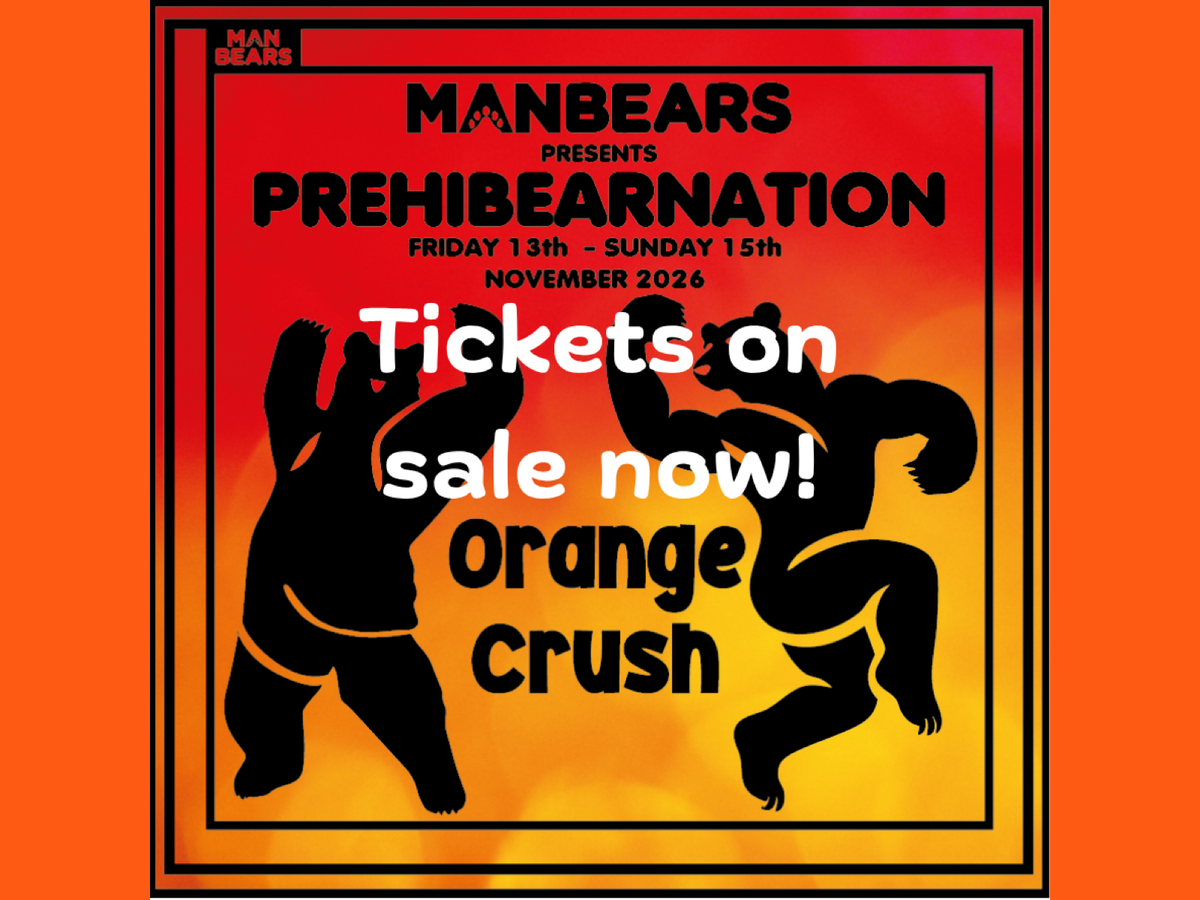
Pre-Hibearnation Returns to Manchester With Orange Crush

ManBears Manchester has published the full Pre-Hibearnation schedule for November 13 to 15, including Orange Crush and Underbear.

Explore

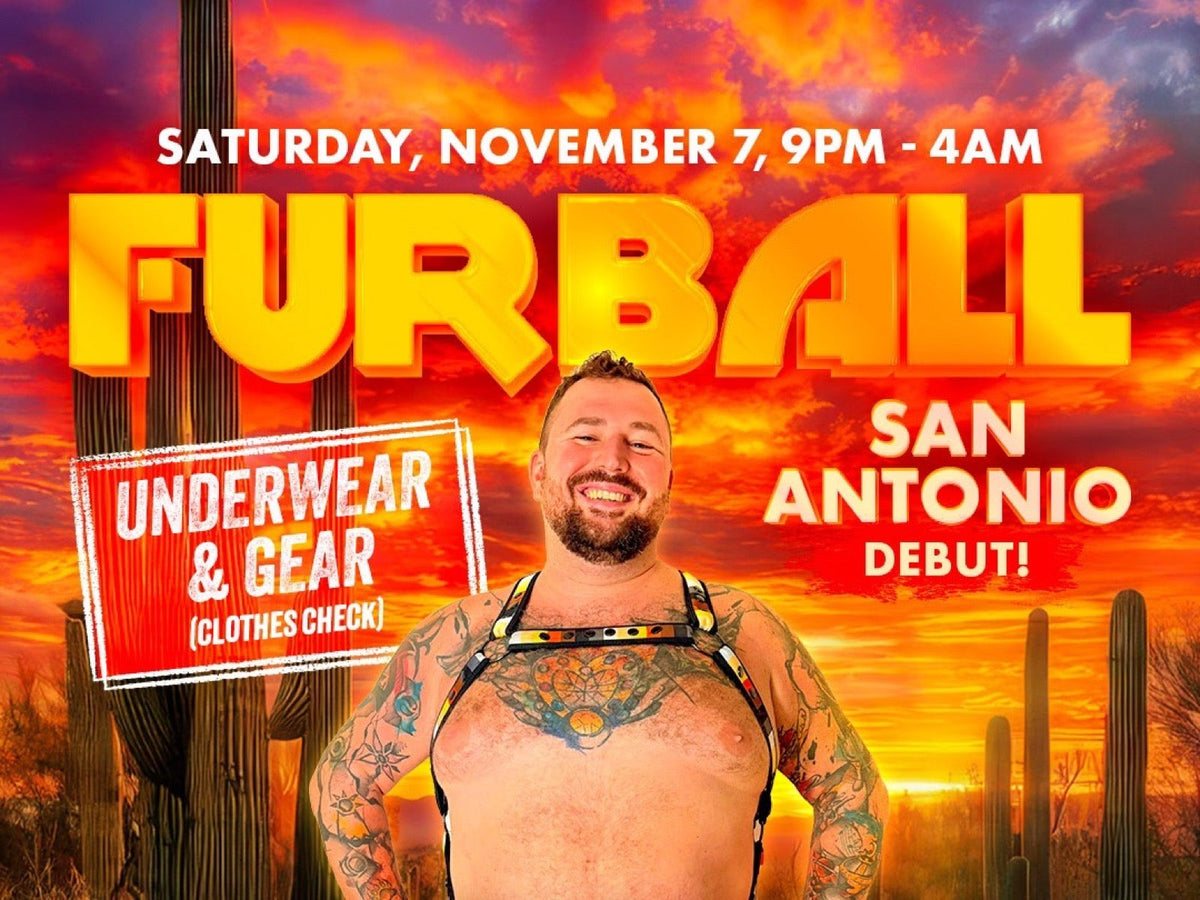
Furball and MAD.BEAR Bring Their Party to San Antonio

Furball makes its San Antonio debut with MAD.BEAR on November 7 for an underwear-and-gear party at Heat Nightclub.

Explore

Palm Springs Pride Starts Thursday. Here’s the Weekend Plan

Palm Springs Pride marks its 40th anniversary with four days of free downtown events, three stages, the Arenas Road kickoff, and Sunday’s parade.

Style

GARRAS Puts Trans Power on the Runway in West Hollywood

The TransLatin@ Coalition’s annual GARRAS fashion show returns November 7 with seven designers, live performances, two vocational scholarships, and a Revry special planned for 2027.

Style

Nasty Pig Adds a Cropped Hockey Jersey to Its Fall Lineup

A cropped hockey jersey leads Nasty Pig’s Face Off drop for Fall/Winter 2026, alongside red-and-black sportswear and flame-print mesh.

Style

Dating App Photos That Actually Look Like You

Better dating photos do not need a studio or a new face. Use good light, clear framing, clothes that fit, and a photo set that...

Explore

7 Queer Archives You Can Explore Online

Queer history is closer than it looks. Explore seven digital archives filled with zines, photographs, oral histories, posters, letters, and unexpected objects.

People

How to Find and Join an LGBTQ+ Sports League

You do not need a full team or an impressive athletic past. Here is how to find a local LGBTQ+ sports league, register as a...

Explore

How to Go to a Gay Bar Alone Without Feeling Awkward

Going to a gay bar alone is easier when you choose the right night, give yourself a small plan, and stop treating one awkward moment...

Style

What to Wear to a Gay Bar Without Overthinking It

A gay bar is not one room with one uniform. Here is how to read the venue, choose clothes you can actually move in, and...

People

What Chosen Family Means in LGBTQ+ Culture

Chosen family is one of queer culture’s most durable ideas. Here is where the term comes from, what it asks of us, and how care...

Culture

What Does Otter Mean in Gay Culture?

Gay slang loves an animal label. Here is what otter usually means, where the term fits in bear culture, and why the borders stay fuzzy.

Explore

Your First Gay Sauna: What to Expect

A calm, practical guide to gay-sauna check-in, lockers, towels, etiquette, consent, privacy, sexual health, and leaving whenever you want.

People

How to Make Gay Friends After 40

Friendship after 40 rarely begins with a grand invitation. Here’s how recurring groups, small conversations, and one specific plan can build a real circle.

Culture

Queer Zines: Small Pages, Big Community

A folded page can open up a whole world. Meet queer zines, follow the people who preserved them, and find a place to start reading.

Style

What to Wear to Your First Leather Night

The jacket is the easy part. A practical guide to dress codes, finding your own style, and walking into your first leather night with a...

Art

Photography: Vincent Keith

Vincent Keith's photography is a powerful celebration of queer masculinity, capturing the authentic beauty of hairy bears, rugged chubs, and more.

Events

Bear Events in April 2025

Your guide to April's hottest bear events worldwide — parties, festivals, and furry fun!

Culture

What is the bear community and how did it originate?

Discover why hairy, burly men revolutionized gay culture and created one of the most fiercely loyal communities in the LGBTQ+ world.